
Bestseller
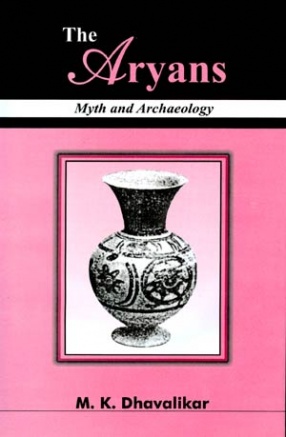
The Aryans: Myth and Archaeology
Synopsis
The Aryan problem is probably the most controversial in human history. Numerous scholars have attempted to trace the homeland of Vedic Aryans but no solution is in sight in spite of the vast mass of literature. However, archaeological evidence of great significance has recently become available which throws a flood of light on the problem as it corroborates to a considerable extent the literary testimony and is even supported by that of the human skeletal biology. It has therefore become possible to locate the original homeland of the Ayans, the period of their migrations, the date of the composition of Rgveda, the flowering of the Vedic culture and finally their diaspora in different directions, not only in India but beyond its frontiers. The study thus represents a unique blend of the archaeological, literary and anthropological evidence.
Read more
34.20
30.78
$
38.00 $
Free delivery Wolrdwidе in 10-18 days
Ships in 1-2 days from New Delhi
Membership for 1 Year $35.00
Get it now and save 10%
Get it now and save 10%
BECOME A MEMBER
Books by the same author



Bibliographic information