
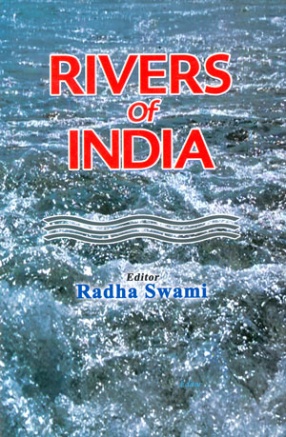
Rivers of India (In 3 Volumes)
The river system of India can be classified into four groups. viz., (a ) Himalayan Rivers, (b) Deccan Rivers, (c) Coastal Rivers, (d) Rivers of the Inland drainage basin. The Himalayan Rivers are formed by melting snow and glaciers and therefore continuously flow throughout the year. During the monsoon months, Himalayans receive very heavy rainfall and rivers swell, causing frequent floods. The Deccan Rivers on the other hand are rainfed and therefore fluctuate in volume. Many of these are non-pernnial. The castal streams, especially on the west coast are short in length and have limited catchment areas. Most of them are non-perennial. The streams of inland drainage basin of western Rajasthan are few and far apart. Most of them are of an ephemeral character.
Get it now and save 10%
BECOME A MEMBER

Bibliographic information