
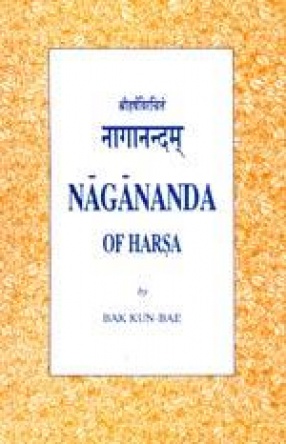
Nagananda of Harsa: The Sanskrit Text with Annotated English Translation
Synopsis
The reign of the king Harsa, who ruled a large part of north India in the first half of the seventh century A.D., and whose accounts are so well recorded in the memoirs of the Chinese traveler Hiuen Tsiang, is well known in the history of India for a rich growth of art and culture. Harsa himself was a great scholar; and he composed the Ratnavali, Priyadarsika, and Nagananda. The Nagananda is a play which dramatizes the Buddhist legend of the great sacrifice of Jimutavahana to rivive the snakes slain by Garuda; and to Change the heart of the latter to refrain from any further killing of snakes. Although the work is translated into many languages it is for the firs time that it is being rendered into English with such detailed explanatory notes.
Read more
8.00
7.2
$
8.89 $
Free delivery Wolrdwidе in 10-18 days
Ships in 1-2 days from New Delhi
Membership for 1 Year $35.00
Get it now and save 10%
Get it now and save 10%
BECOME A MEMBER

Bibliographic information